NASA's Swift observatory reenters after failed Katalyst rescue attempt
Swift reentered over Indonesia after Katalyst's LINK spacecraft failed to grapple the 22-year-old observatory.
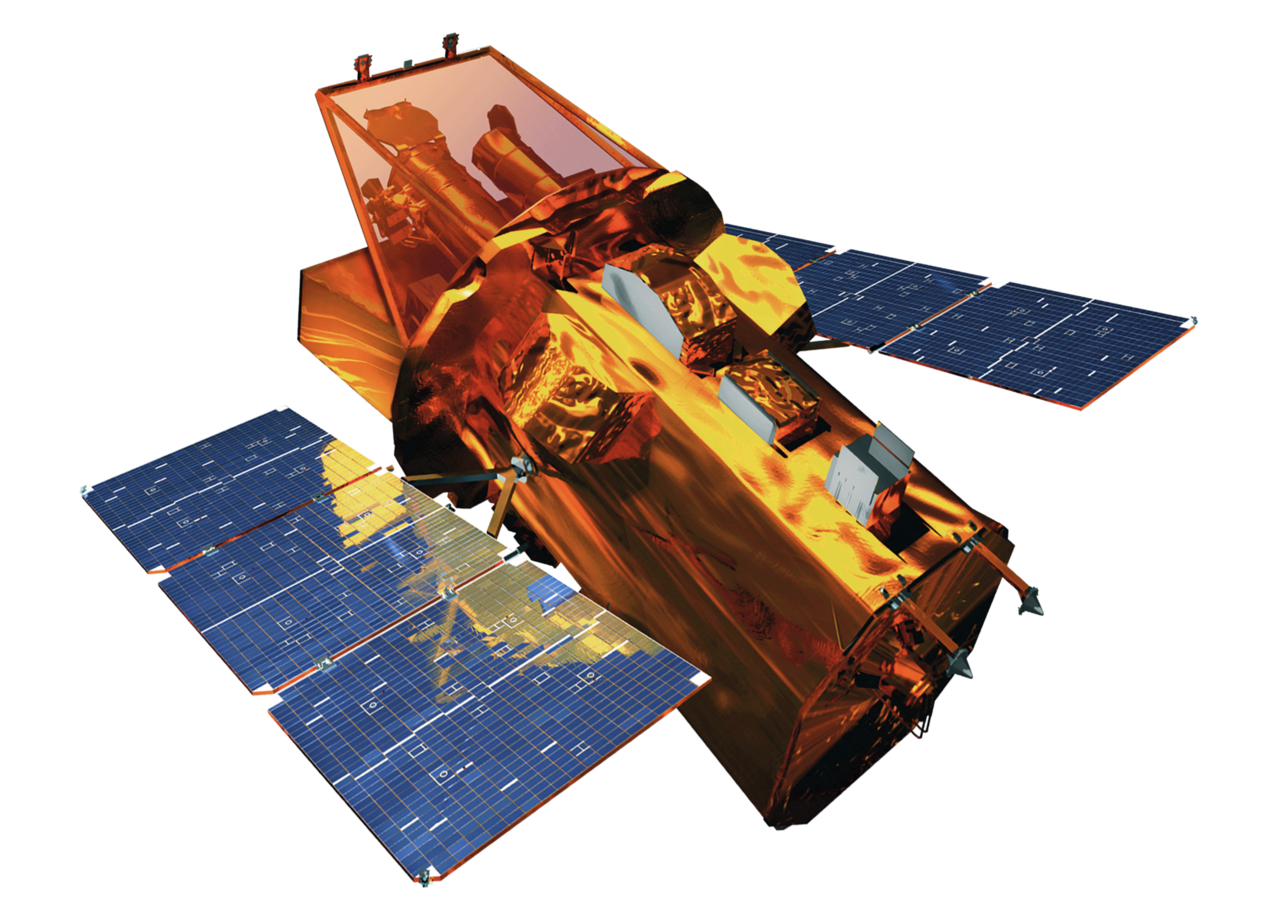
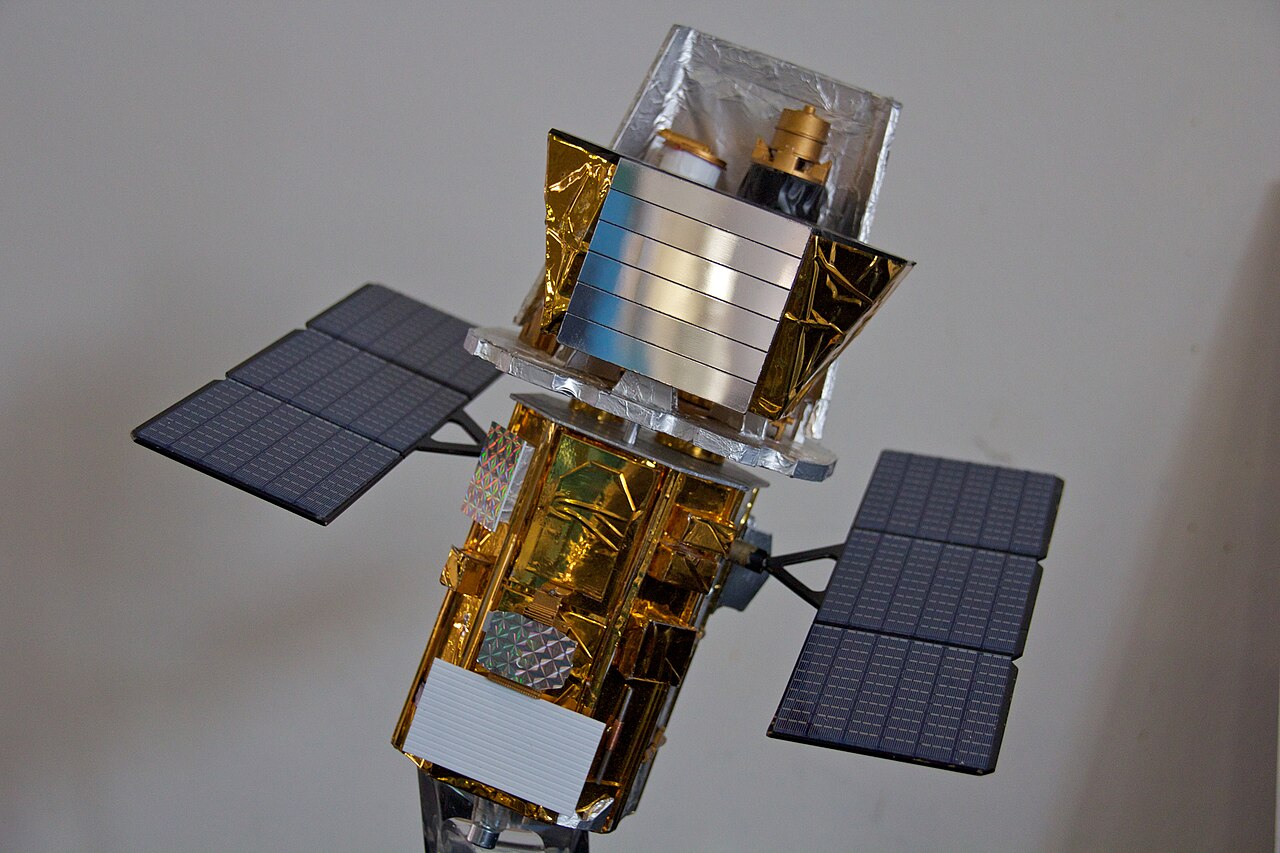
NASA's Neil Gehrels Swift Observatory reentered at 7:39 am EST over the North Sumatra region of Indonesia, ending a 22-year mission. The reentry point was approximately 3.4º N latitude, 98.6ºE degrees longitude.
NASA contracted Katalyst Space in September 2025 to try to rescue Swift after increased solar activity caused it to lose altitude sooner than expected. The contract was worth $30 million, even though Swift was not designed to be reboosted and had no grappling fixtures.
Katalyst's LINK spacecraft launched on a Northrop Grumman Pegasus XL rocket from Kwajalein Atoll in the Pacific on 3 July 2026. An unresponsive Reaction Control System valve caused LINK to spin up, and a power circuit switch failure then ended the effort.
Swift launched in 2004 and studied gamma-ray bursts with three multiwavelength telescopes covering visible, ultraviolet, X-ray and gamma-ray bands. NASA named it for principal investigator Neil Gehrels in 2017, after he died.
Sourcespacepolicyonline.com