NASA picks GIMLI to test whether Marius Hills Pit opens into a lava tube
NASA chose the GIMLI instrument suite to check whether a lunar pit in the Marius Hills leads to a lava tube.
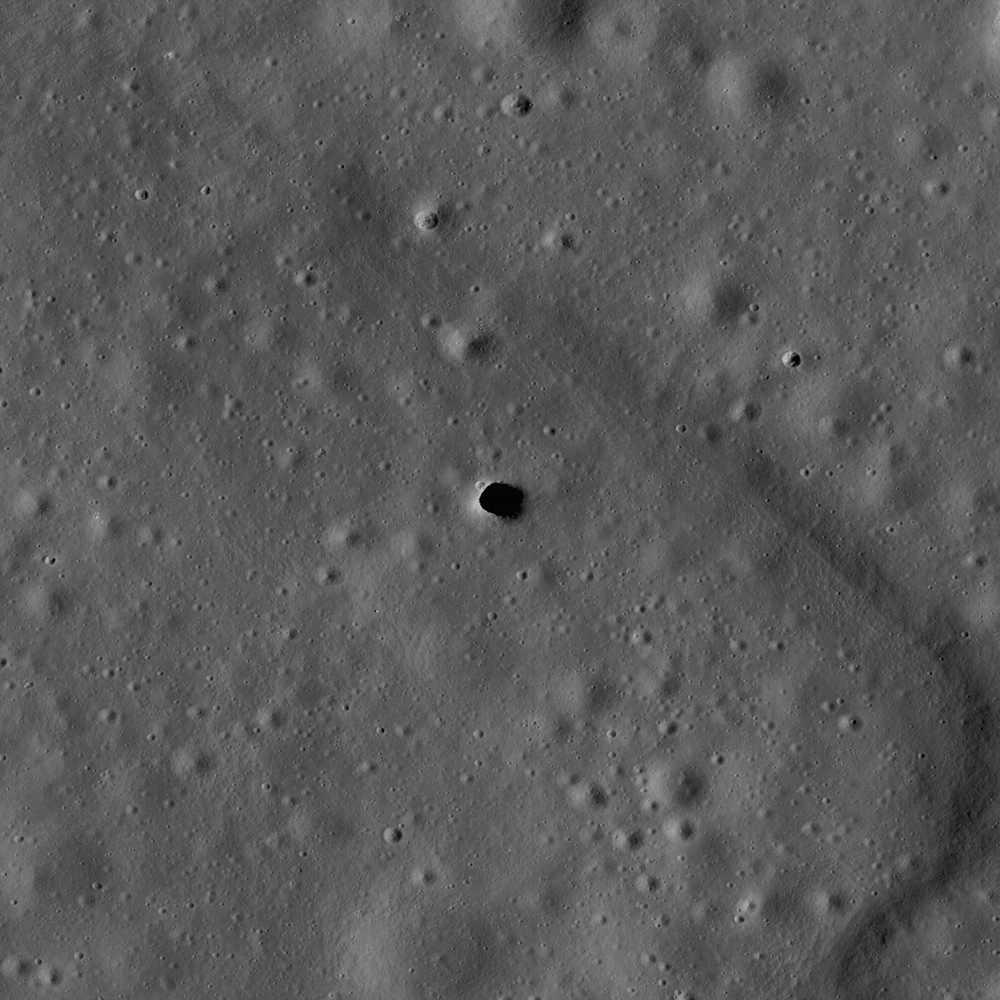
NASA has selected GIMLI, a radar, seismic, gravity and camera suite, to be deployed at the Marius Hills Pit on the Moon. It will test from the surface whether the pit opens into a lava tube.
NASA named GIMLI on 30 September 2026 as one of three payload suites chosen under its PRISM programme for the Moon Base effort. It will fly on a commercial lander under the Commercial Lunar Payload Services scheme. No launch date and no lander vendor have been named. The principal investigator is Nathaniel Putzig of the Planetary Science Institute, and the Norwegian Space Agency supplies the ground-penetrating radar.
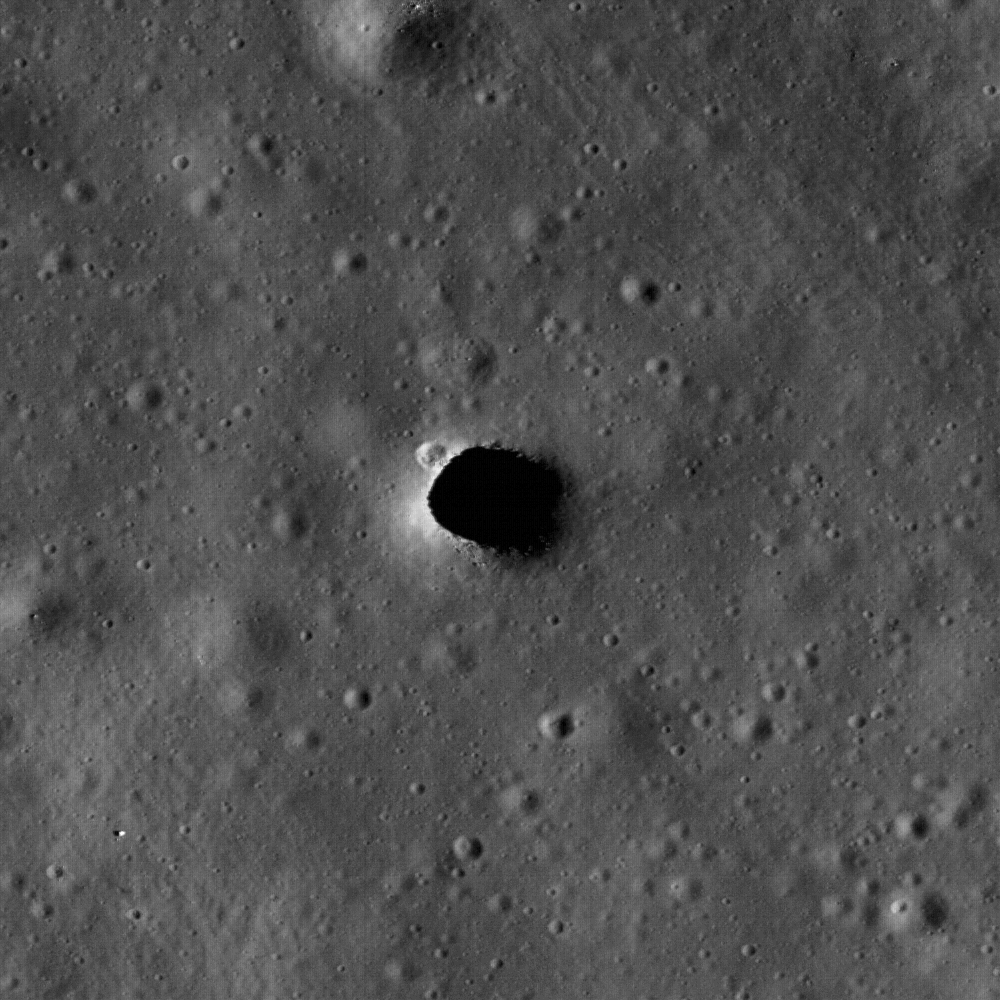
In 2017 a team using the Lunar Radar Sounder on Japan's Kaguya spacecraft reported echoes near the pit that it interpreted as an intact lava tube. Candidate tube sites also line up with mass deficits in gravity maps from the GRAIL spacecraft. None of that has shown whether the hole leads anywhere.
"Readers should not conclude that the pit is an opening to a lava tube," said Gareth Morgan, GIMLI's deputy principal investigator, in an email on 19 October 2026. He said Lunar Reconnaissance Orbiter images show the pit walls form an overhang above a void wider than the pit itself, but its size is unknown. Similar pits on Earth are sometimes skylights into lava tubes and sometimes isolated shafts. "GIMLI has been designed to differentiate between the two scenarios," Morgan said.
Sourcespacedaily.com