Blue Origin rebuilds LC-36 for New Glenn return before year-end
Four months after the New Glenn pad explosion, Blue Origin is repairing LC-36 with a vertical integration approach.
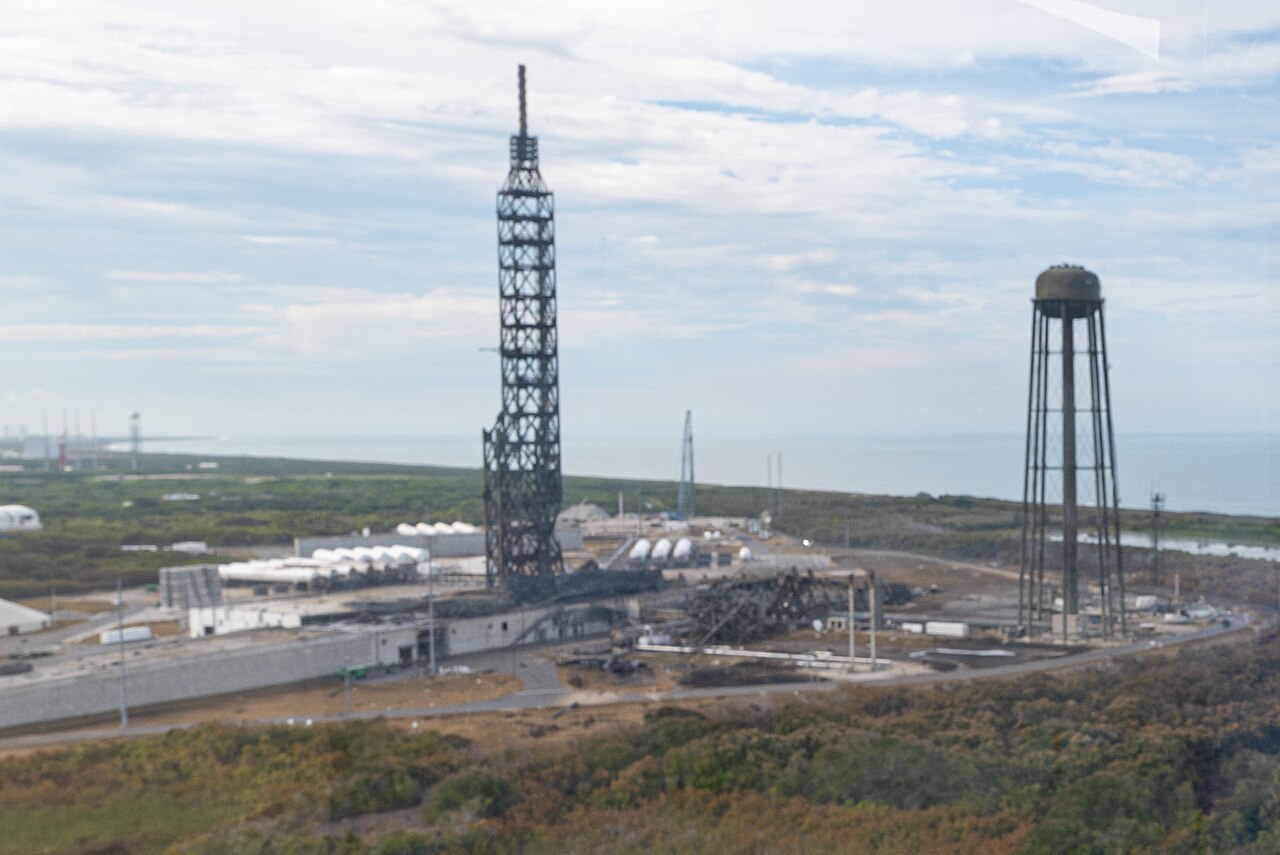
Four months after a New Glenn rocket exploded on the launch pad, Blue Origin is targeting a return to flight before the end of the year. With about three months left, attention is on whether the rebuild of Launch Complex-36 (LC-36) is nearing the halfway mark.
The blast toppled the pad's lightning tower and bent beams in the support tower. Blue Origin also lost its large transporter-erector, which had supplied propellants and other commodities to the vehicle.
To speed up the return to flight, the company moved from horizontal to vertical integration. It is dropping the transporter-erector and relying only on the support tower, an approach that mirrors SpaceX's Starship operations. This change requires repairs and upgrades to the support tower so it can move super-cold cryogenic propellant from the tank farm to the vehicle.
CEO Dave Limp said the fastest method was to destack most of the modules, repair and upgrade them on the ground in parallel, then reassemble the tower. Teams have worked on this since the summer, adding new floors, guard rails for worker access, and the ground support equipment needed to carry propellant up the tower. That phase is now wrapping up.
Sourcenasaspaceflight.com