Francis Halzen wins the 2026 Nobel Prize in Physics for IceCube neutrino work
Francis Halzen is the first sole winner of the physics prize since 1992, honoured for founding the IceCube Neutrino Observatory at the South Pole.
Belgian-born physicist Francis Halzen has won the 2026 Nobel Prize in Physics for his work detecting high-energy neutrinos that come from deep in space. The Royal Swedish Academy of Sciences announced the award in Stockholm on 6 October.
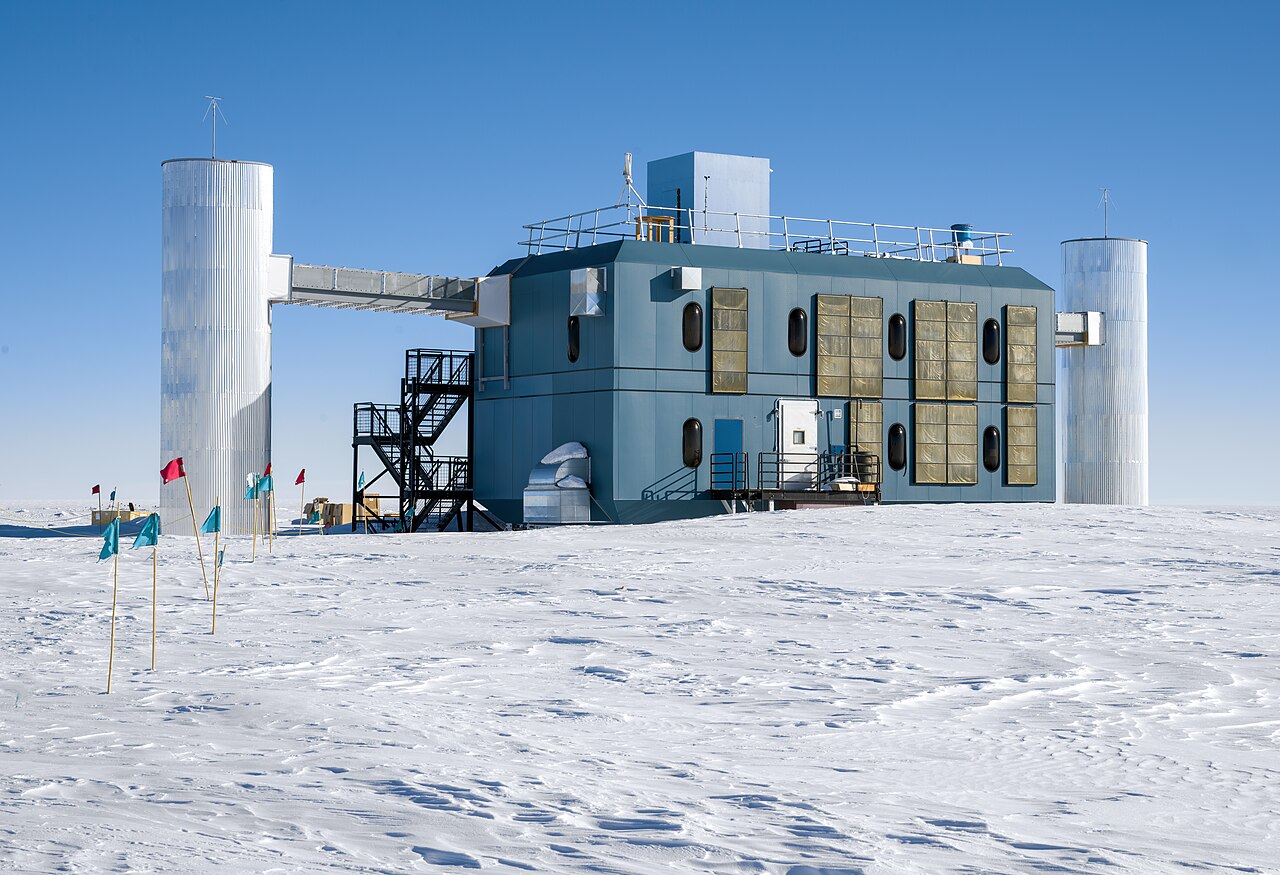
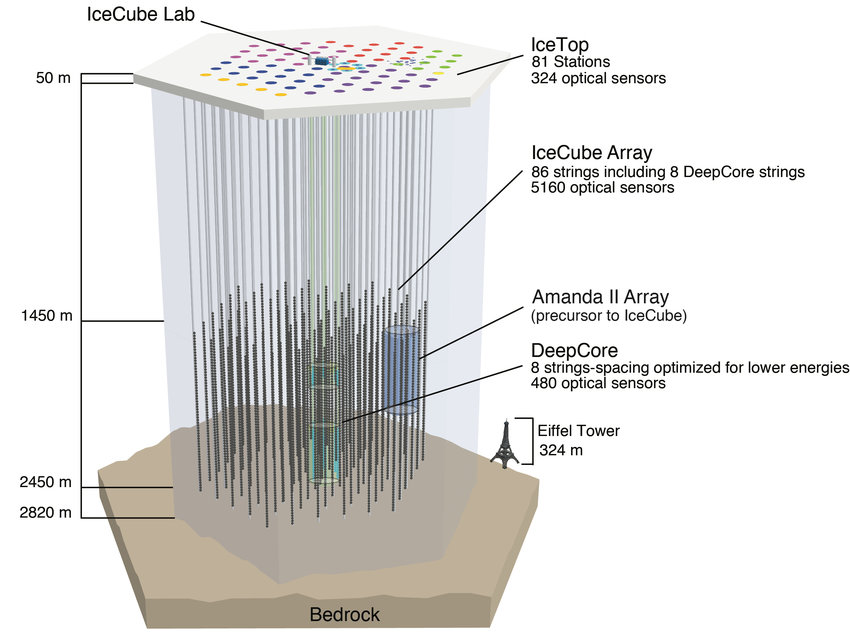
Halzen, who is based at the University of Wisconsin-Madison, founded the IceCube Neutrino Observatory, a giant detector at the South Pole. Its results helped establish neutrino astronomy and multimessenger astronomy, which study the most energetic events in the Universe.
He takes the full 12 million Swedish kronor (about US$1.2 million) prize. It is the first time since 1992 that the physics prize has gone to a single winner.
Because neutrinos pass straight through matter, they point back in a straight line to where they came from, such as supernovae and gamma-ray bursts. "It was a great surprise and I obviously didn't expect it," Halzen told the Nobel press conference.
Sourcenature.comtass.com