SMILE starts science and returns its first view of the northern aurora
The ESA and Chinese Academy of Sciences mission has finished commissioning and begun studying Earth's magnetosphere.
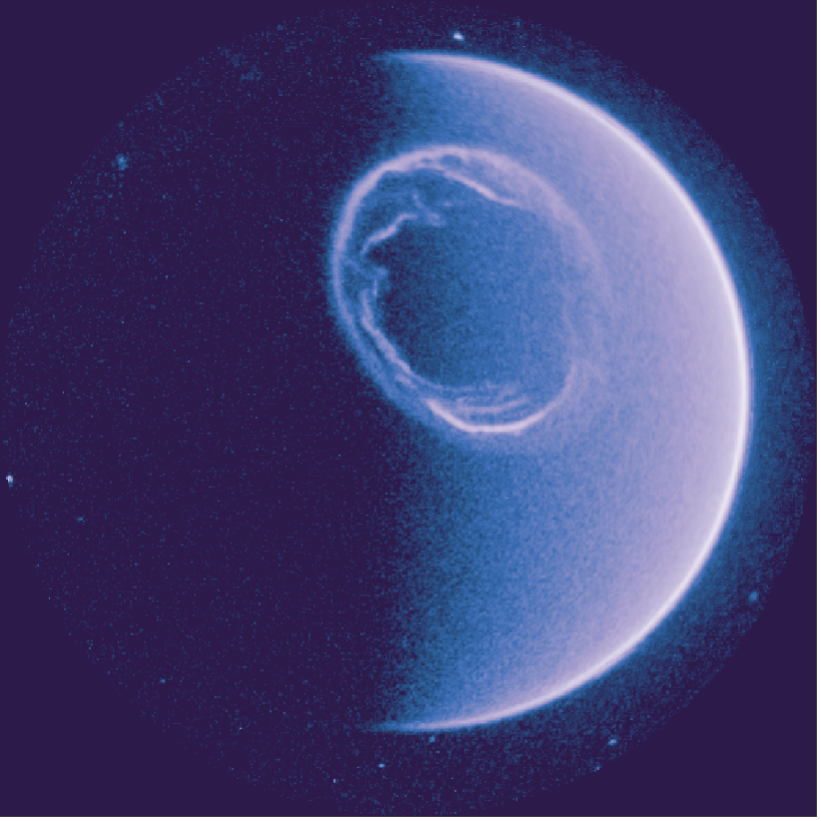
SMILE, the joint mission of the European Space Agency and the Chinese Academy of Sciences, has officially begun science operations. Its first ultraviolet images show a complete ring of aurora around Earth's north pole.
The spacecraft launched on a Vega C from Kourou on 19 May and spent the next month raising its orbit, reaching its working path on 20 June. That orbit is inclined 73 degrees and runs from 5,027 km to 120,920 km, which keeps SMILE high above the poles for about nine months of the year.
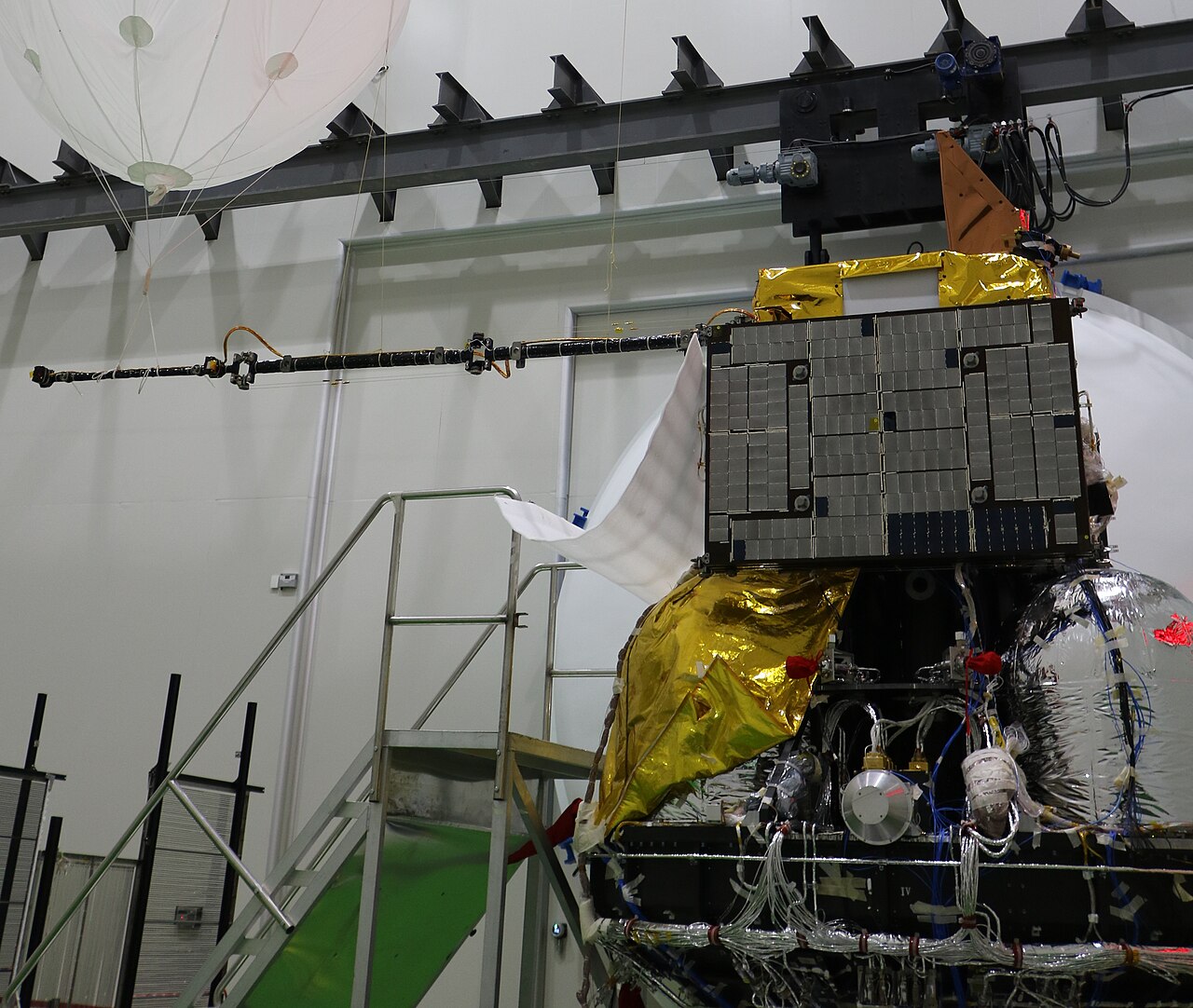
Four instruments, a soft X-ray imager, an ultraviolet imager, a light ion analyser and a magnetometer, will watch how the solar wind and solar storms push on Earth's magnetic field. "This is a very important milestone," said Carole Mundell, ESA's Director of Science.
SourceNASASpaceflight