5 stories
Amazon builds 1,000th Leo satellite, nears commercial internet service
Amazon has built its 1,000th Leo satellite and says commercial satellite internet service is weeks away. NASA and the Department of Energy signed a memorandum on 8 October to collaborate on space nuclear technologies. SciTec's Air Force contract rises to $31 million with counter-drone sensor feeds added to battle management.
- 01InfrastructureAmazon builds 1,000th Leo satellite, nears commercial internet service
- 02PolicyNASA and Energy Department sign agreement on space nuclear power and propulsion
- 03ContractsFirefly's SciTec adds $1.5 million to Air Force battle management contract
- 04LaunchExploration Company to test one-tonne ONEIROS lunar hopper in UAE in 2027
- 05ScienceVLT astrometry finds sub-Jupiter planet candidate around nearby L dwarf
Amazon builds 1,000th Leo satellite, nears commercial internet service
.jpg)
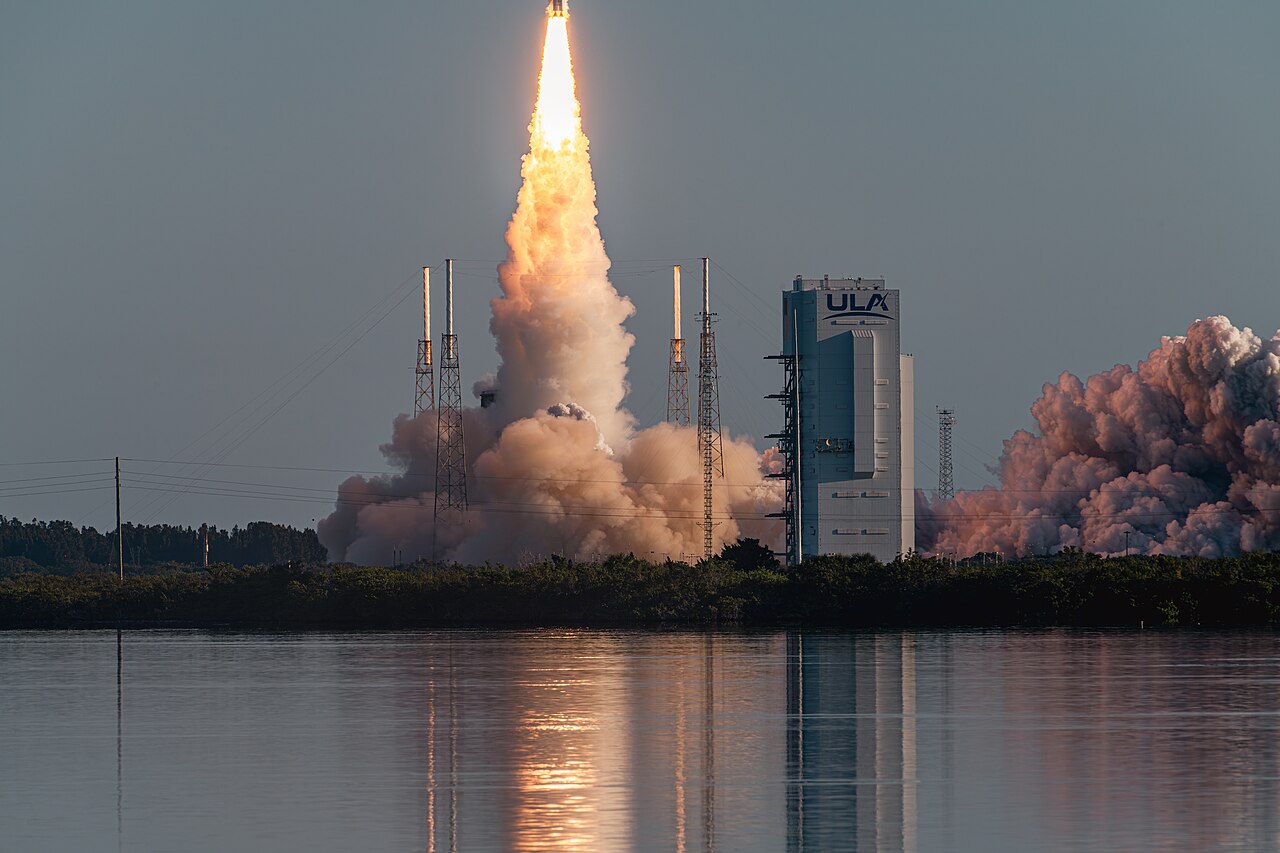
Amazon has built its 1,000th Leo broadband satellite and is weeks away from offering commercial service for the first time, according to an Ars Technica interview with senior company officials.
The satellites are made at Amazon's factory in Kirkland, Washington. Paul Palcisco, director of production, and Chris Weber, vice president of business, spoke to Ars alongside Rajeev Badyal, who leads the broadband effort. The company can now build a handful of satellites every day, making it the world's second-largest satellite manufacturer behind SpaceX.
Badyal confirmed that the Vulcan rocket's upcoming return-to-flight mission will carry Amazon Leo satellites. A second Vulcan rocket standing next to it is also being prepared to launch more Amazon satellites this year.
Amazon is entering a market SpaceX has dominated with Starlink for the last half-decade. OneWeb has offered only limited services. Badyal led Starlink in its early years, until Elon Musk fired him eight years ago for moving too cautiously.
Sourcearstechnica.com
NASA and Energy Department sign agreement on space nuclear power and propulsion
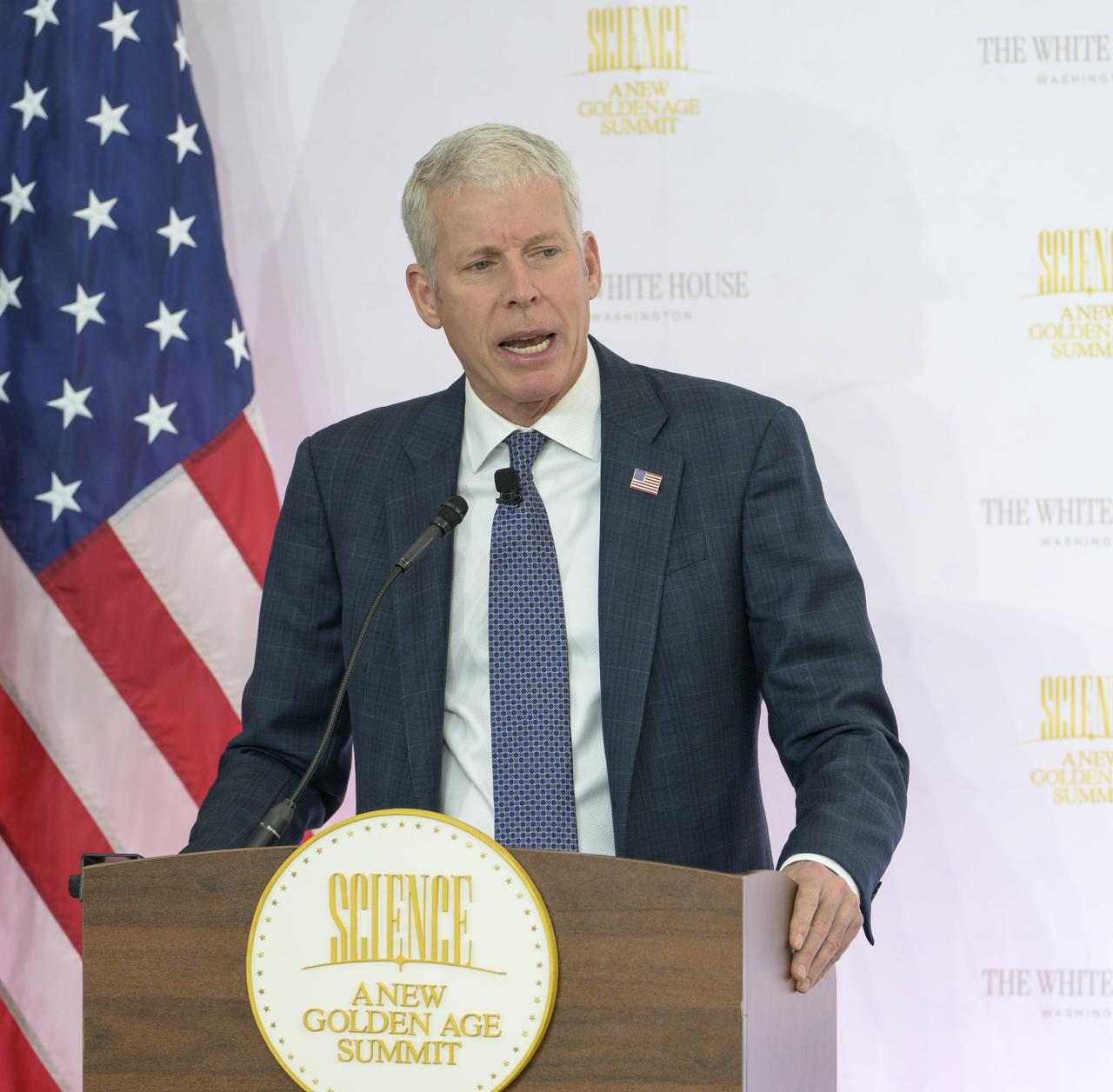
NASA Administrator Jared Isaacman and Energy Secretary Chris Wright signed a Memorandum of Understanding on space nuclear power and propulsion on 8 October 2026. The signing took place at the Golden Age Summit at the Donald J. Trump Institute of Peace in Washington.
The agreement, titled "Accelerating American Leadership in Space Nuclear Power and Propulsion", establishes a framework for end-to-end collaboration between NASA and the Department of Energy on next-generation nuclear technologies for space. Michael Kratsios, director of the White House Office of Science and Technology Policy, looked on.
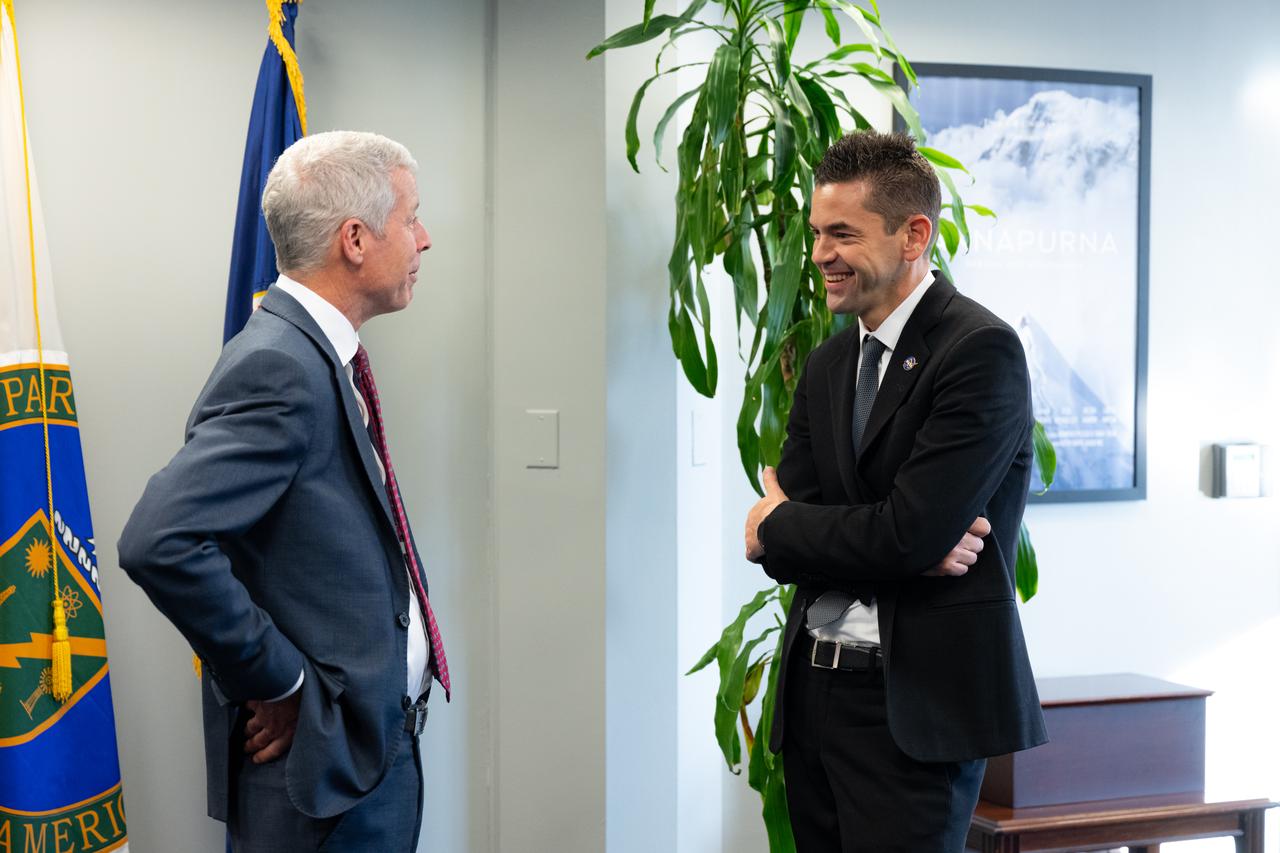
"Nuclear power will allow us to go farther, operate longer, and field more capable spacecraft and instruments than ever before," Isaacman said. He added that the work is "laying the foundation for the fission-powered spacecraft of tomorrow."
Sourcenasa.gov
Firefly's SciTec adds $1.5 million to Air Force battle management contract
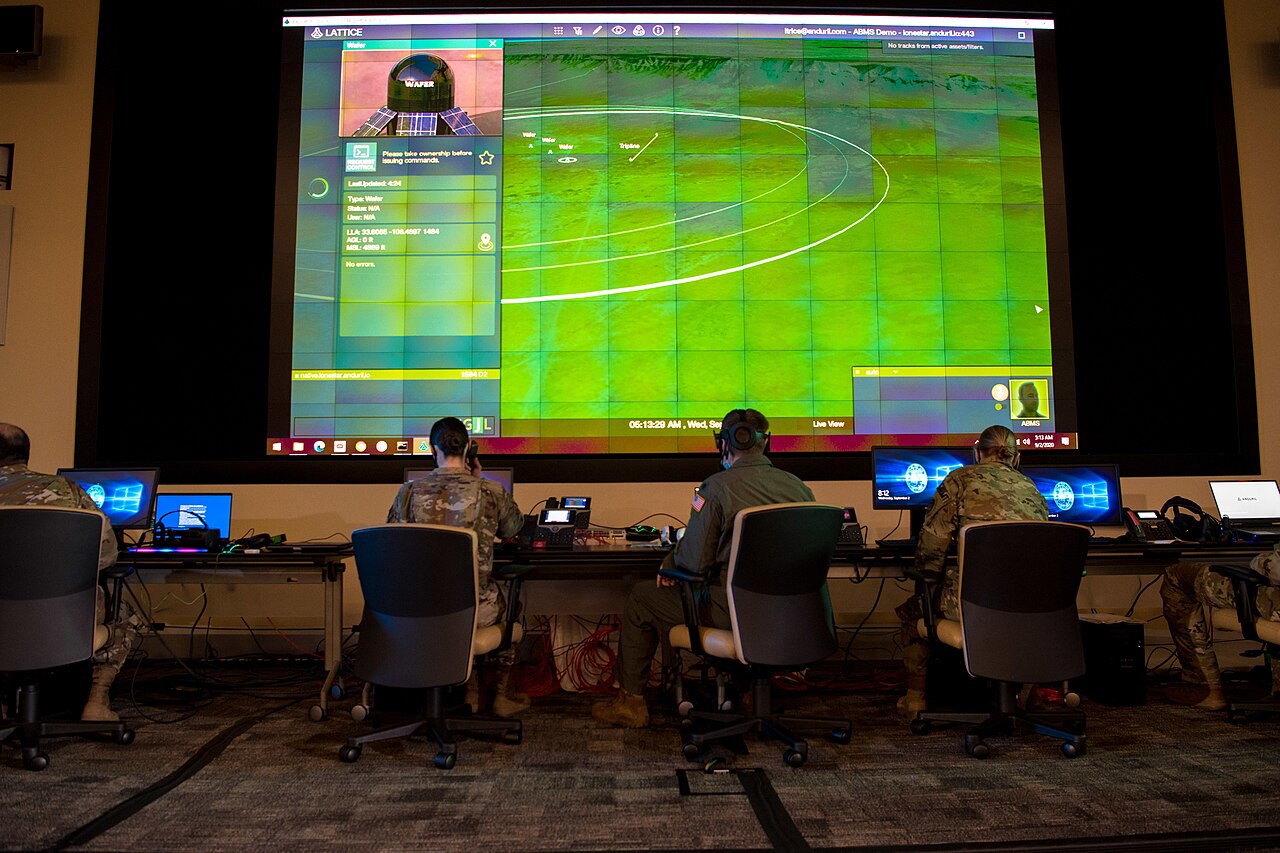

SciTec, a Firefly Aerospace company, has extended its Cloud-Based Command and Control (CBC2) contract with the U.S. Department of the Air Force. The company announced the extension from Boulder, Colorado, on 8 October 2026.
The extension adds $1.5 million and brings the total contract value to $31 million. SciTec will add counter unmanned aerial system sensor feeds to the data fusion system it supplies for the Advanced Battle Management System. The extra data sources are intended to improve situational awareness and decision-making for mission partners.
"As new mission needs arise, our scalable architecture is already designed to rapidly integrate additional sensors and data types to strengthen warfighter decision making," said David Simenc, SciTec's president.
CBC2 is a central component of the Department of the Air Force Battle Network. SciTec is headquartered in Princeton, New Jersey, and is a wholly owned subsidiary of Firefly Aerospace.
Sourcefireflyspace.com
Exploration Company to test one-tonne ONEIROS lunar hopper in UAE in 2027
The Exploration Company has announced it will test a lunar hopper demonstrator called ONEIROS in the United Arab Emirates in 2027. The project is privately funded and aims to validate technologies that could support lower-cost access to the lunar surface.
The company plans to build a one-tonne demonstrator with a throttleable methane-fuelled rocket engine, autonomous navigation and hazard-avoidance systems. According to the abstract of a paper presented at the 77th International Astronautical Congress in Antalya, Türkiye, work began earlier this year. Teams have built several breadboards to reduce technical risk before the planned flight demonstration next year.
The choice of the UAE follows a memorandum of understanding with the country's national space agency. No binding agreement has been announced, but the abstract confirmed testing would take place in "the UAE desert."
ONEIROS is to be followed by Hilal, a demonstrator for precision landing and methane/oxygen propulsion on the Moon's surface. The company told European Spaceflight it would then take a "step-by-step approach to lunar vehicle development."
Sourceeuropeanspaceflight.com
VLT astrometry finds sub-Jupiter planet candidate around nearby L dwarf
.jpg)
Astronomers have reported PALTA-1 b, a sub-Jupiter mass exoplanet candidate orbiting the early-L dwarf DENIS-P J1253108-570924, which lies about 17 parsecs away. The paper, led by J. Sahlmann with five co-authors, was submitted to arXiv on 7 October 2026.
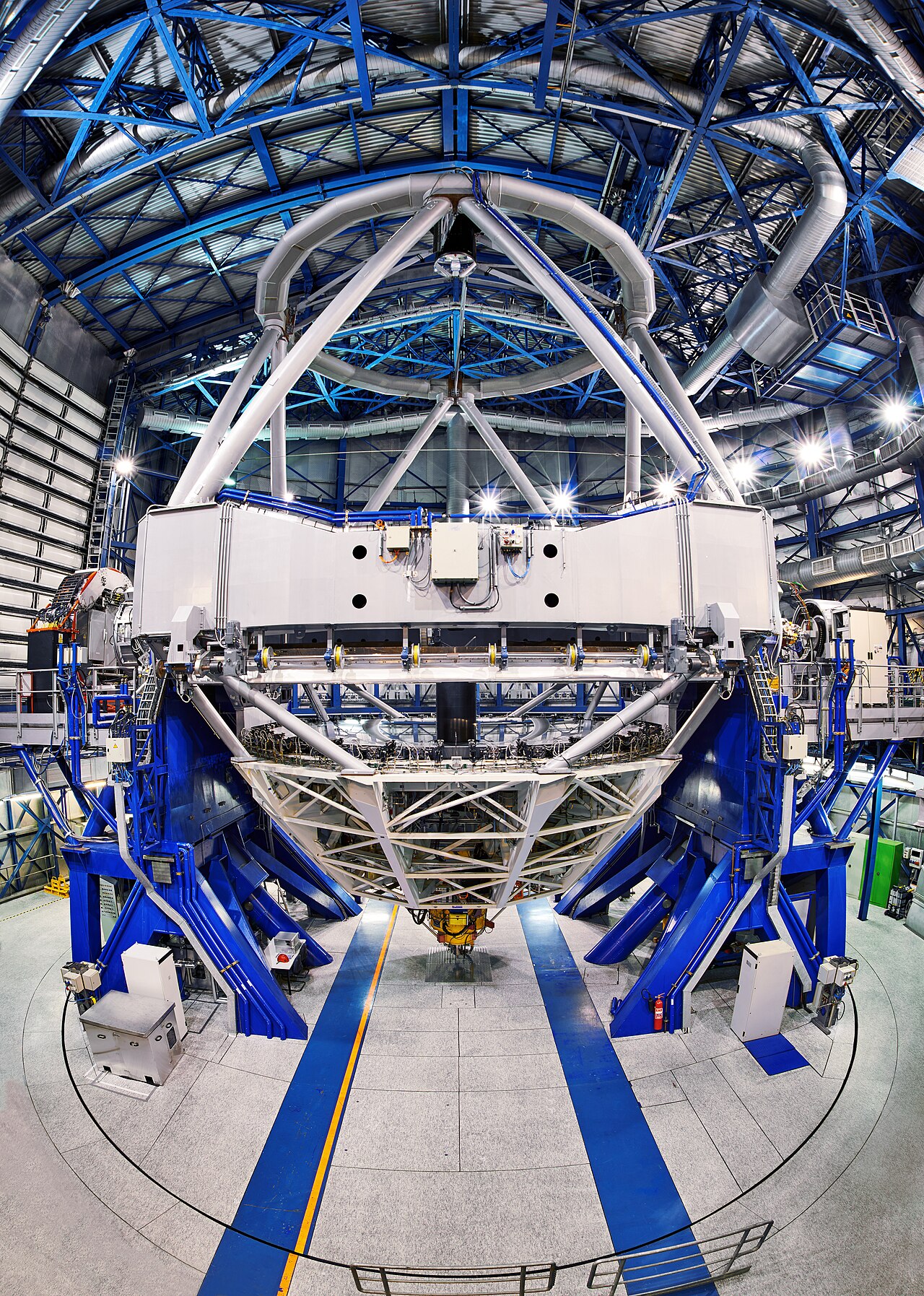
The team found the planet by tracking the L dwarf's astrometric motion with the FORS2 instrument at the Very Large Telescope for more than eight years. They then characterised deviations from the motion expected of a single source.
The estimated planet mass is between 0.54 and 0.77 Jupiter masses, depending on the uncertain mass of the host. The system's mass ratio is about 0.010 and the relative separation is estimated at 1.6-3.4 au.
If confirmed, PALTA-1 b would be one of very few known giant planets orbiting a nearby ultracool dwarf. The result completes a survey of 20 nearby ultracool dwarfs, which had previously turned up three new ultracool binary systems.
Sourcearxiv.org