5 stories
FAA removes rolling cap on aircraft crossing launch debris hazard zones
The FAA dropped the 6,412-aircraft annual limit on transits through outer launch and re-entry hazard areas. South Korea's Nuri rocket flew for the fifth time, delivering five NEONSATs and 10 cubesats to orbit. Northrop Grumman chose ThinKom's multi-orbit ThinAir antennas for the Navy aircraft taking over the TACAMO mission.
- 01PolicyFAA removes rolling cap on aircraft crossing launch debris hazard zones
- 02LaunchSouth Korea's Nuri rocket puts 15 satellites in orbit
- 03ContractsNorthrop Grumman picks ThinKom antennas for Navy E-130J Phoenix II
- 04ContractsDoD contracts Kymeta to upgrade Osprey u8 terminal with compute and SDR
- 05ScienceALMA astronomers find exotic methanol in planet-building zones
FAA removes rolling cap on aircraft crossing launch debris hazard zones
The U.S. Federal Aviation Administration has changed its safety policy to allow more aircraft to fly through airspace where they face a higher risk from falling space debris, The Air Current reported on 6 October.
The FAA had capped the number of aircraft allowed to cross the outer portions of the hazard areas it draws around each launch and re-entry at 6,412 per 12-month period. That cap gave the agency 95% confidence that no fatal accident from launch or re-entry debris would occur in 80 years.
In an 8 June memo, the FAA's Executive Safety Council removed that rolling limit, which had been a cornerstone of its acceptable level of risk policy. Aircraft are still barred from the most hazardous portions of these zones.
The memo came four days before SpaceX listed on the Nasdaq. The FAA told The Air Current the decision was not connected to the offering. The agency licensed 33 commercial launches in 2018 and 199 in 2025, 161 of them SpaceX operations.
South Korea's Nuri rocket puts 15 satellites in orbit
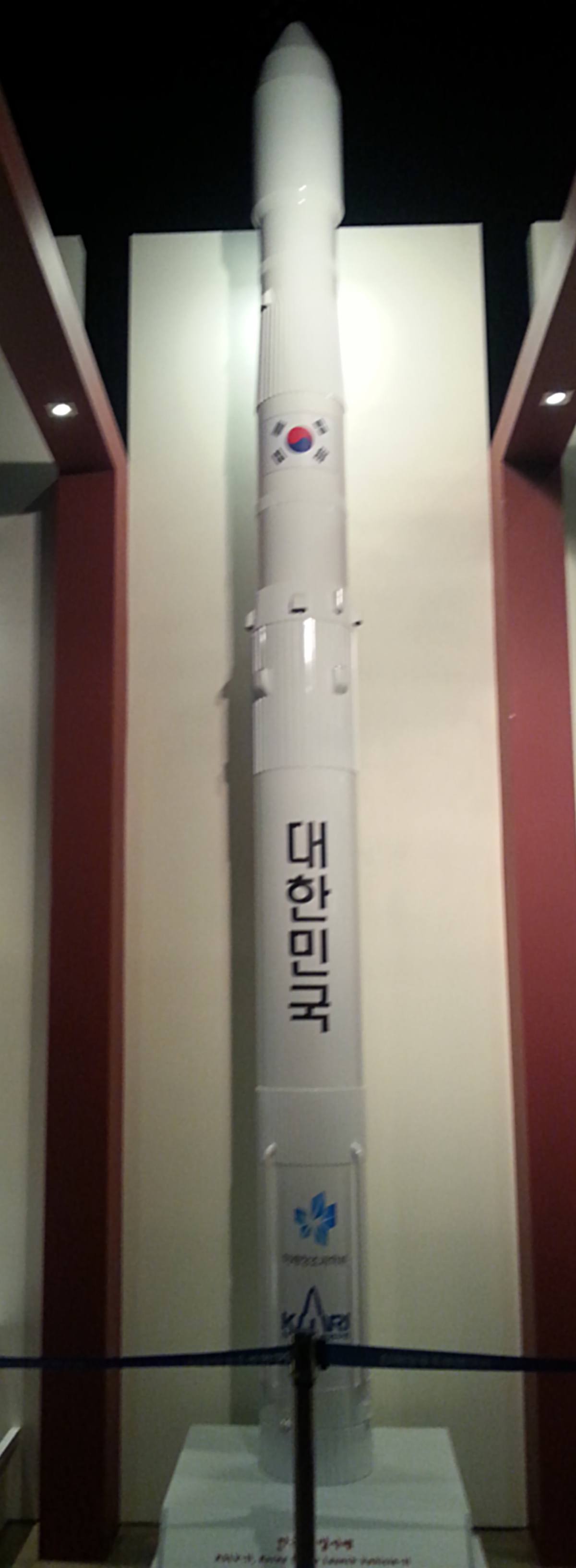

South Korea launched its three-stage Nuri rocket for the fifth time at 11:25 pm EDT on 6 October from the Naro Space Center, on an island off the southern coast of the Korean peninsula. The launch brought 15 satellites to orbit.
Five were NEONSATs developed by the Korea Advanced Institute of Science and Technology, part of the country's planned 10-satellite Earth observation constellation. The other 10 were cubesats from across the Korean space sector, demonstrating space medicine, optical communications and weather observation, and giving a range of locally developed components their first flight heritage.
One cubesat is SD-1Sat, the first satellite from Korean startup Space & Bean. The 3U spacecraft will test whether the company's protective enclosure can shield commercial off-the-shelf components from radiation, thermal stress and vibration. Space & Bean will send down low-volume radiation readings from the enclosure to measure its performance.
SD-1Sat also carries ArbaEdge, a module from ArbaLabs that checks whether the onboard AI model performed as expected. It monitors the model's integrity while it runs, signs its output evidence and produces a verifiable record of what the model did. Its verification data is a maximum of two megabytes. ArbaLabs CEO Ashley Reeves told Payload that space is a "beachhead" for the company, which is working on versions for autonomous vehicles, drones and humanoid robots.
Sourcepayloadspace.com
Northrop Grumman picks ThinKom antennas for Navy E-130J Phoenix II
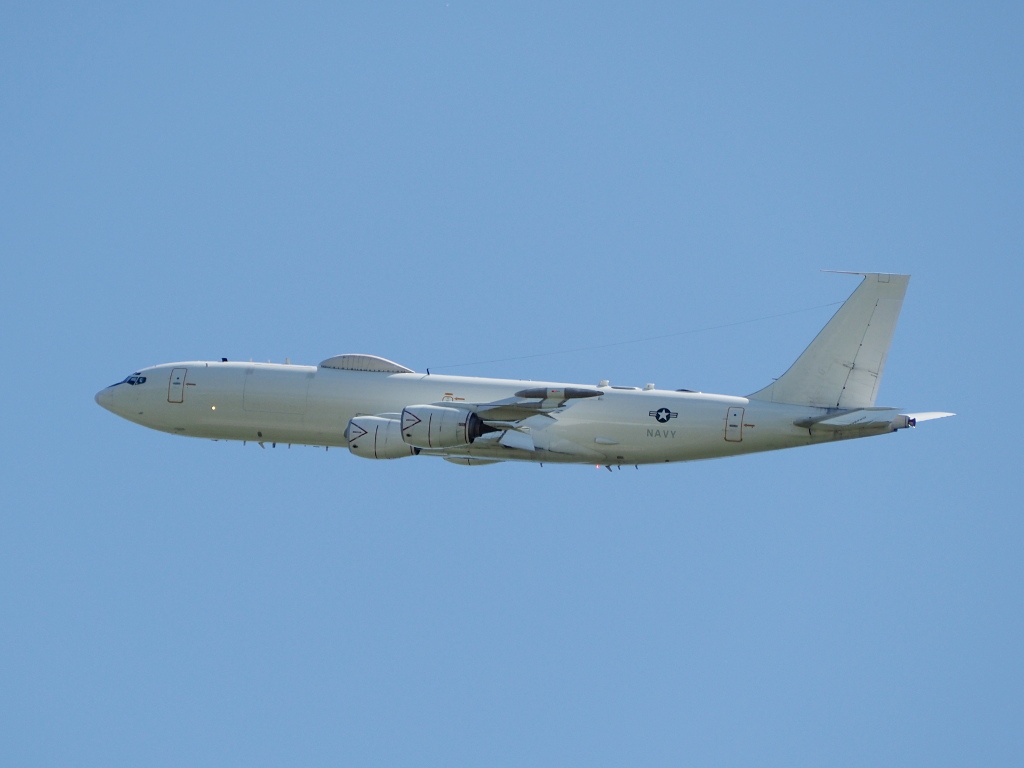

Northrop Grumman has selected ThinKom to provide satcom antennas for the U.S. Navy's E-130J Phoenix II aircraft. ThinKom announced the selection on 6 October.
The E-130J Phoenix II will take over the Navy's Take Charge and Move Out (TACAMO) mission from the E-6B Mercury fleet. TACAMO provides connectivity between the National Command Authority and U.S. nuclear forces. Northrop Grumman was selected as prime contractor for the aircraft in late 2024.
ThinKom will supply multi-orbit ThinAir antennas offering high-bandwidth beyond-line-of-sight satcom, anti-jam and survivability features. The design is already used on government and commercial aircraft, from small business jets to large cargo aircraft. Financial terms were not disclosed.
"The TACAMO mission depends on communications systems that are resilient, available and ready in the most demanding operating environments," said ThinKom CTO Bill Milroy.
Sourcesatellitetoday.com
DoD contracts Kymeta to upgrade Osprey u8 terminal with compute and SDR


The U.S. Department of Defense has contracted Kymeta to develop an enhanced cartridge for its Osprey u8 terminal. Kymeta announced the development contract on 6 October.
The cartridge integrates compute, software-defined radio and networking capabilities into the terminal's modular architecture. The additions will not affect multi-orbit satellite communications performance. The cartridge is intended to turn the terminal into a multi-mission platform that can run extra mission applications without additional hardware on the host platform.
"The upgraded cartridge takes Kymeta beyond connectivity, allowing customers to process huge volumes of RF data quickly enough to identify signals, interference, patterns or potentially suspicious activity," said Kymeta CEO Manny Mora.
Sourcesatellitetoday.com
ALMA astronomers find exotic methanol in planet-building zones
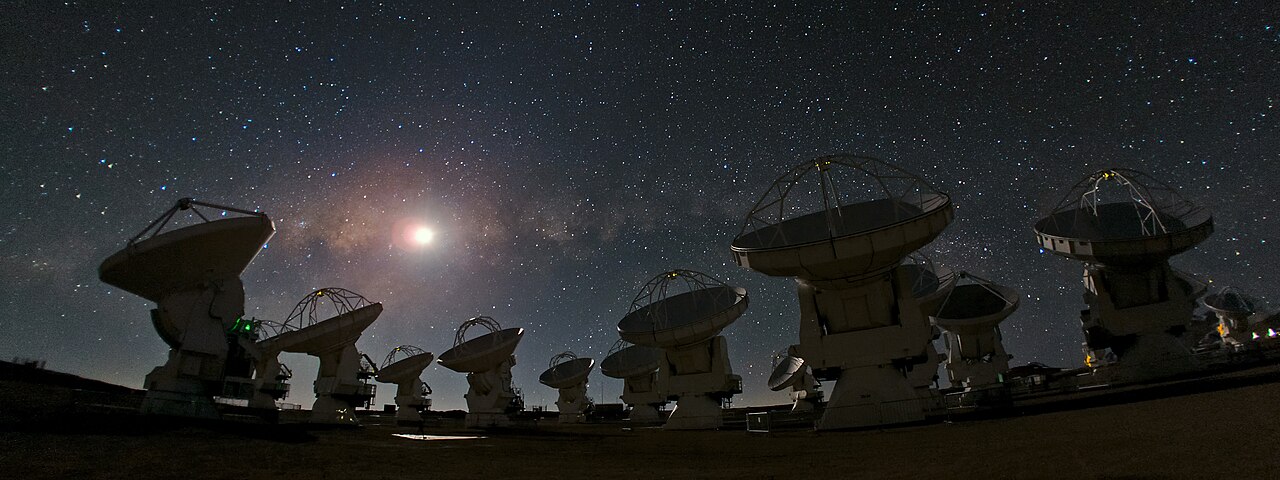

An international team of astronomers using the Atacama Large Millimeter/submillimeter Array (ALMA) has discovered exotic methanol in planet-building zones. The U.S. National Science Foundation National Radio Astronomy Observatory is a partner in ALMA.
The team combined expertise from across the globe in the work, which opens a new window on how the organic molecules that seed planets, and potentially life, form in space.


Sourcephys.org