Research may resolve contradiction in Ryugu asteroid sample compositions
A new study may explain why clay-like minerals in Ryugu and meteorite samples vary so widely.
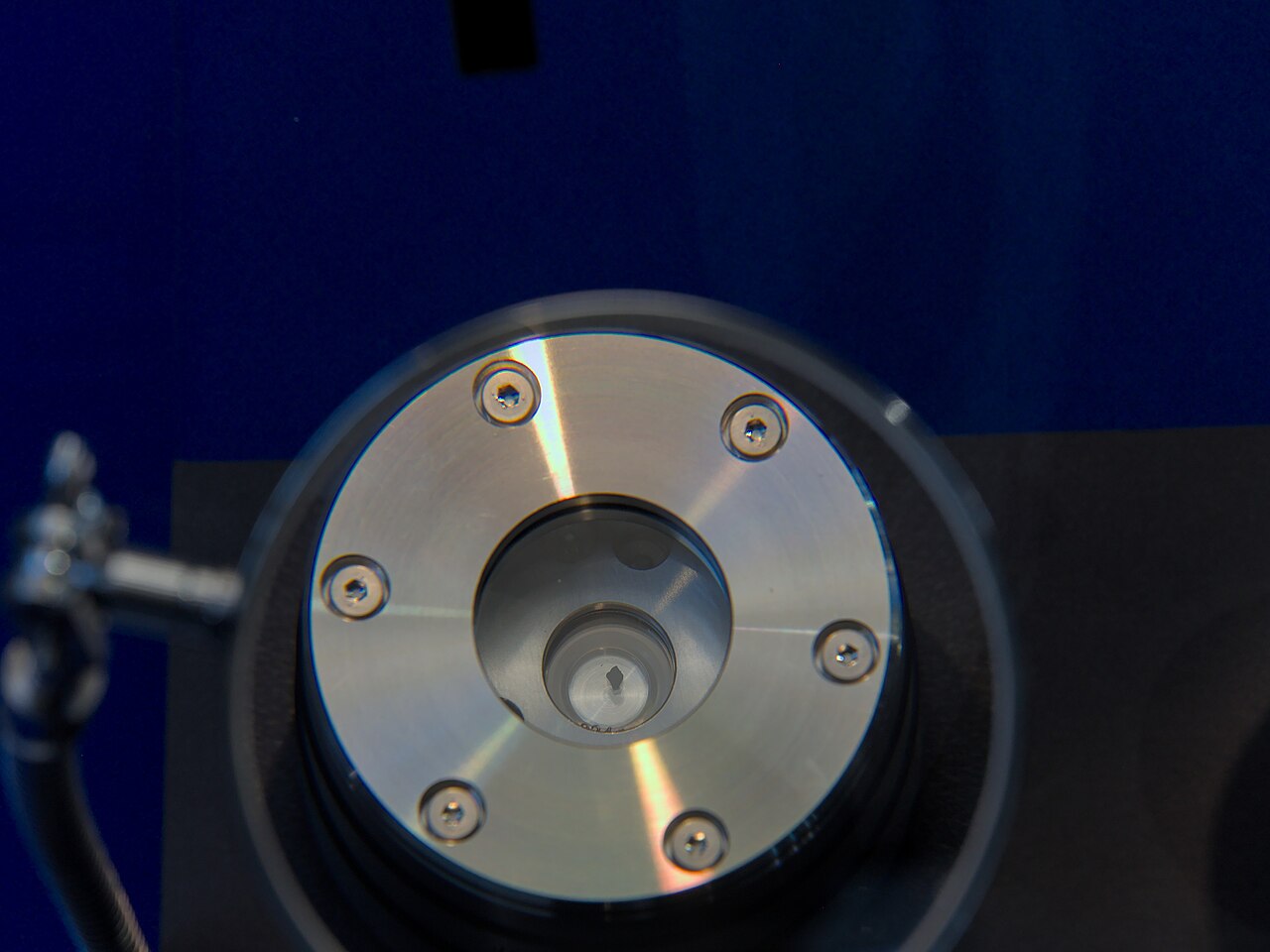
Samples from asteroid Ryugu and from carbonaceous chondrites that have fallen to Earth present an apparent contradiction. The clay-like minerals in their fine-grained matrices have widely varied compositions, which suggests very different aqueous environments within the same parent bodies. That seems unlikely, and new research may have resolved it.
The study is titled "Pervasive poorly crystalline Mg-rich hydrous silicate material in C-type asteroid matrices". It is published in Nature Communications Earth and Environment. The lead author is Reon Okumura of the Division of Geosciences and Civil Engineering at Kanazawa University, Japan.
JAXA's Hayabusa 2 mission returned the Ryugu sample to Earth in 2020, and researchers are still examining its mineralogical and chemical composition.
Sourceuniversetoday.com