Harvard-Smithsonian team builds Lumina early-universe simulation
Harvard-Smithsonian researchers built Lumina, a simulation covering the universe's first 2 billion years at record scale.
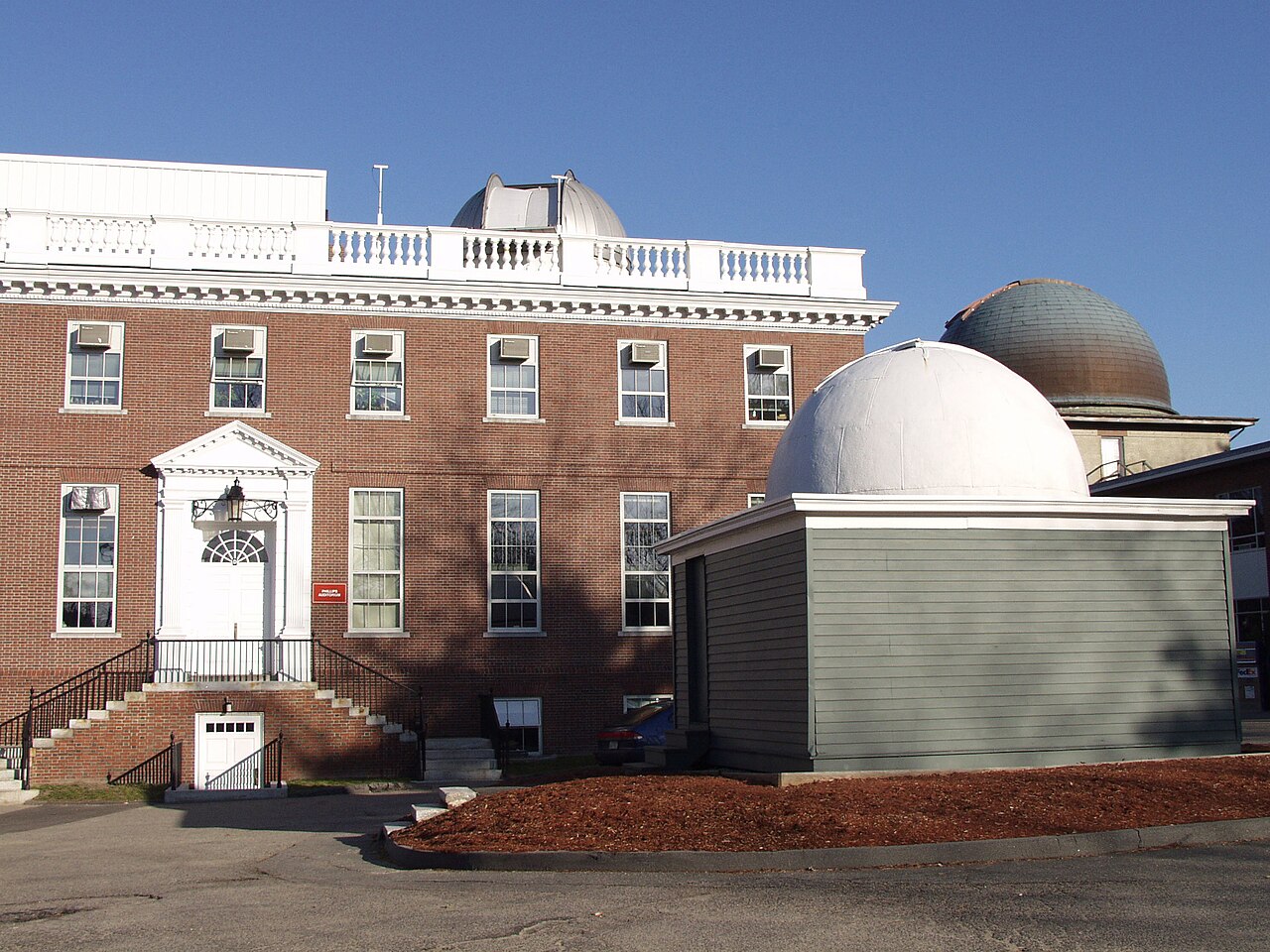
Researchers at the Center for Astrophysics | Harvard & Smithsonian have developed "Lumina", one of the largest and most detailed simulations ever created of the early universe. The work is published in Monthly Notices of the Royal Astronomical Society.
The model recreates how ordinary matter, dark matter, and radiation interacted during the universe's first 2 billion years. It is described as the largest cosmological radiation-hydrodynamics simulation ever created. It covers more than 100 times the volume of space modelled by previous comparable simulations.
Lumina is also the first to capture helium reionisation as it occurred while letting its effects immediately influence the evolving universe within the model. Astronomers can compare observations from JWST, the Nancy Roman Space Telescope, and other telescopes with its predictions.
Lead author Oliver Zier, an ITC fellow at the centre, said the simulation took several years of work.
Sourcephys.org