Warwick astronomers find white dwarfs can glow green, pink and purple
University of Warwick astronomers found white dwarfs can appear green, pink, cyan, yellow and purple, including the first green star.
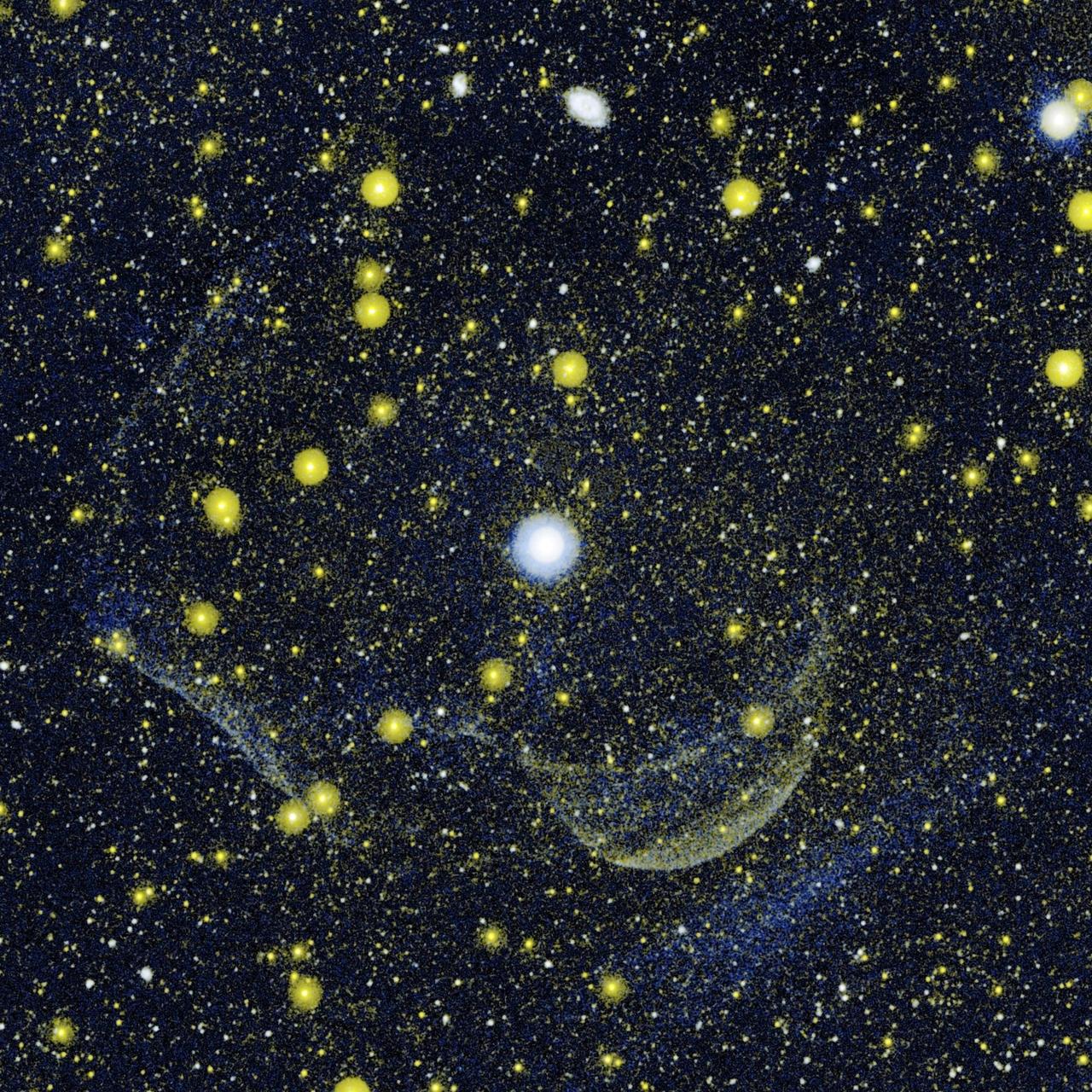
University of Warwick astronomers have shown that white dwarf stars can glow in a range of colours. These include the first star found that would appear green to the human eye. The study, published in the journal RAS Techniques and Instruments, found that certain white dwarfs would shine green, pink, cyan, yellow and purple if viewed up close.
White dwarfs are the dense remnants of sun-like stars. They were thought to follow the usual rule that colour tracks temperature, with cooler stars orange, sun-like stars white and the hottest pale blue. Dr Mark Hollands, a Warwick Prize Fellow who led the work, said most white dwarfs behave like perfect radiators, but nobody had examined what else might be possible.
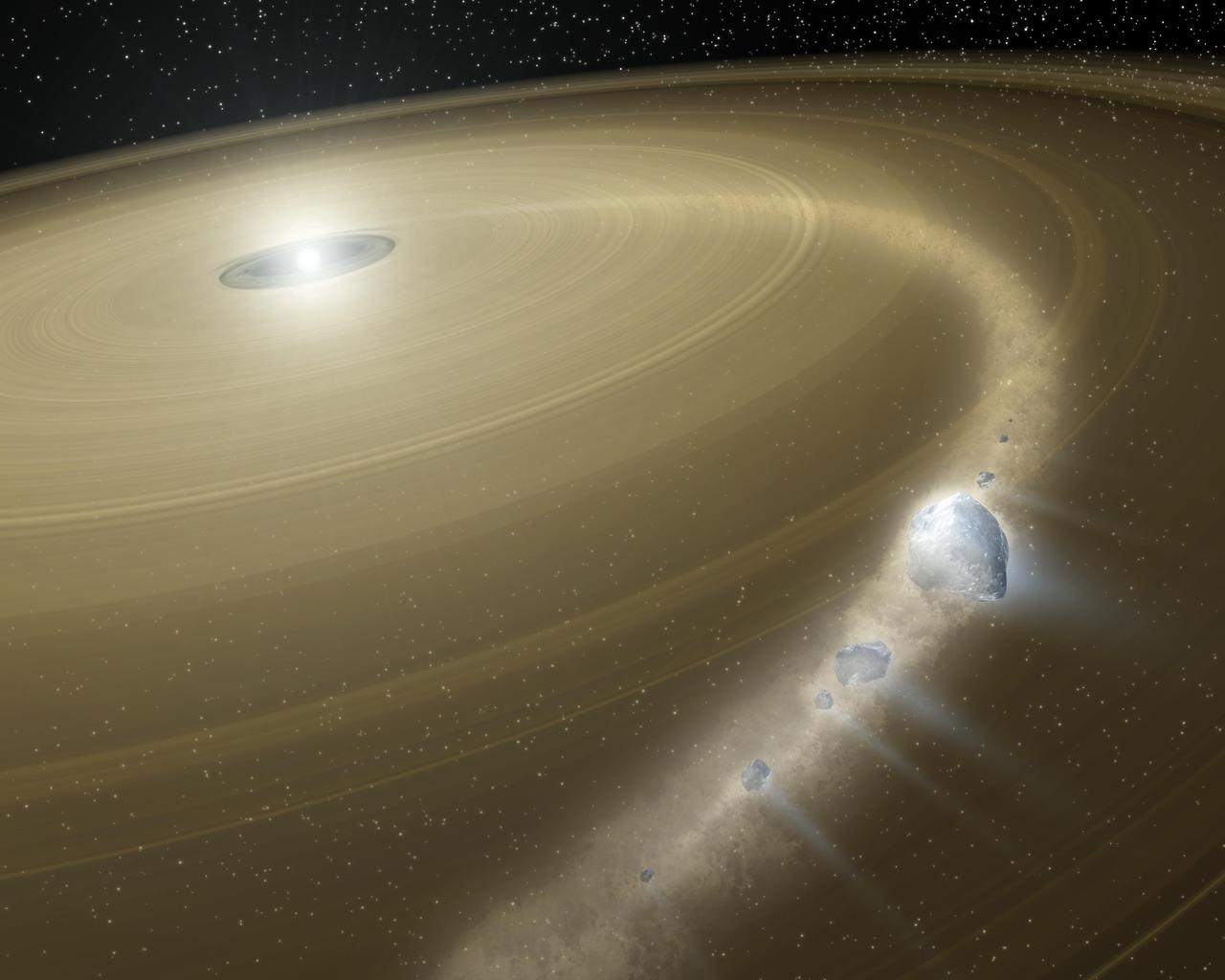
The key is density. The coolest white dwarf atmospheres can reach around 1 gram per cubic centimetre, roughly the density of water and millions of times denser than the sun's photosphere. Trace elements such as carbon, calcium and sodium interact with the dense helium plasma and absorb light across a wider range of colours than they would at lower densities.
The green star is the cool white dwarf WDJ1330+6435. It has accreted sodium-rich rocky material from its planetary system into its atmosphere, and the sodium absorbs light across a broad range of yellow, orange and red wavelengths. No white dwarf is close enough for its colour to be seen directly, so the team ran spectra that astronomers already collect through a model of human colour vision.
Sourcephys.org