Webb observes extreme debris disks around young stars
Webb observations of 21 extreme debris disks show the phase is rare, found in about 1% of young stars.
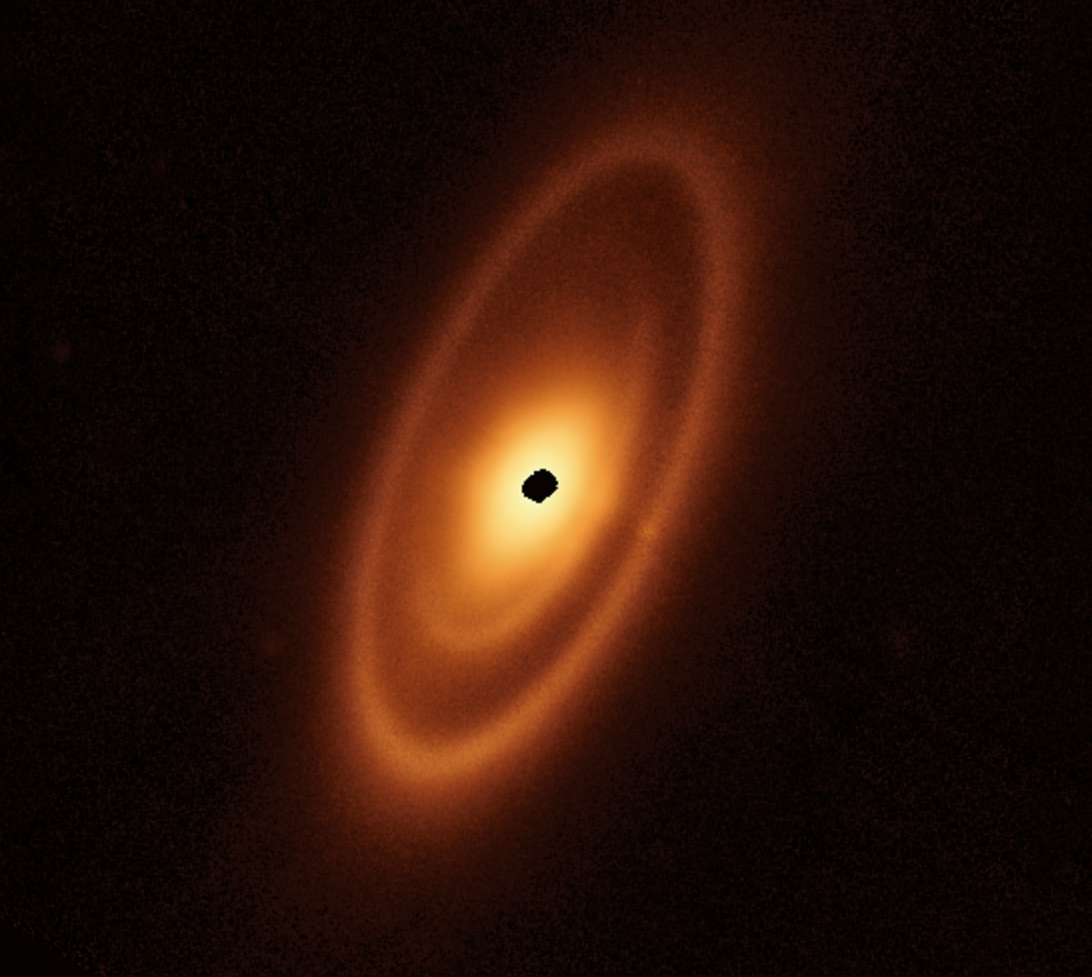
Astronomers have used the James Webb Space Telescope (JWST) to examine young star systems with extreme debris disks, which appear to be experiencing cataclysmic collisions. The team's findings were published in The Astrophysical Journal.
NASA's Spitzer Space Telescope discovered the extreme debris disk phase before its retirement in January 2020. Systems in this phase contain large amounts of warm dust in a region comparable to where rocky planets orbit in the Solar System. Webb observations show these systems are rare, with current data suggesting only about 1% of young stars show observable signatures.
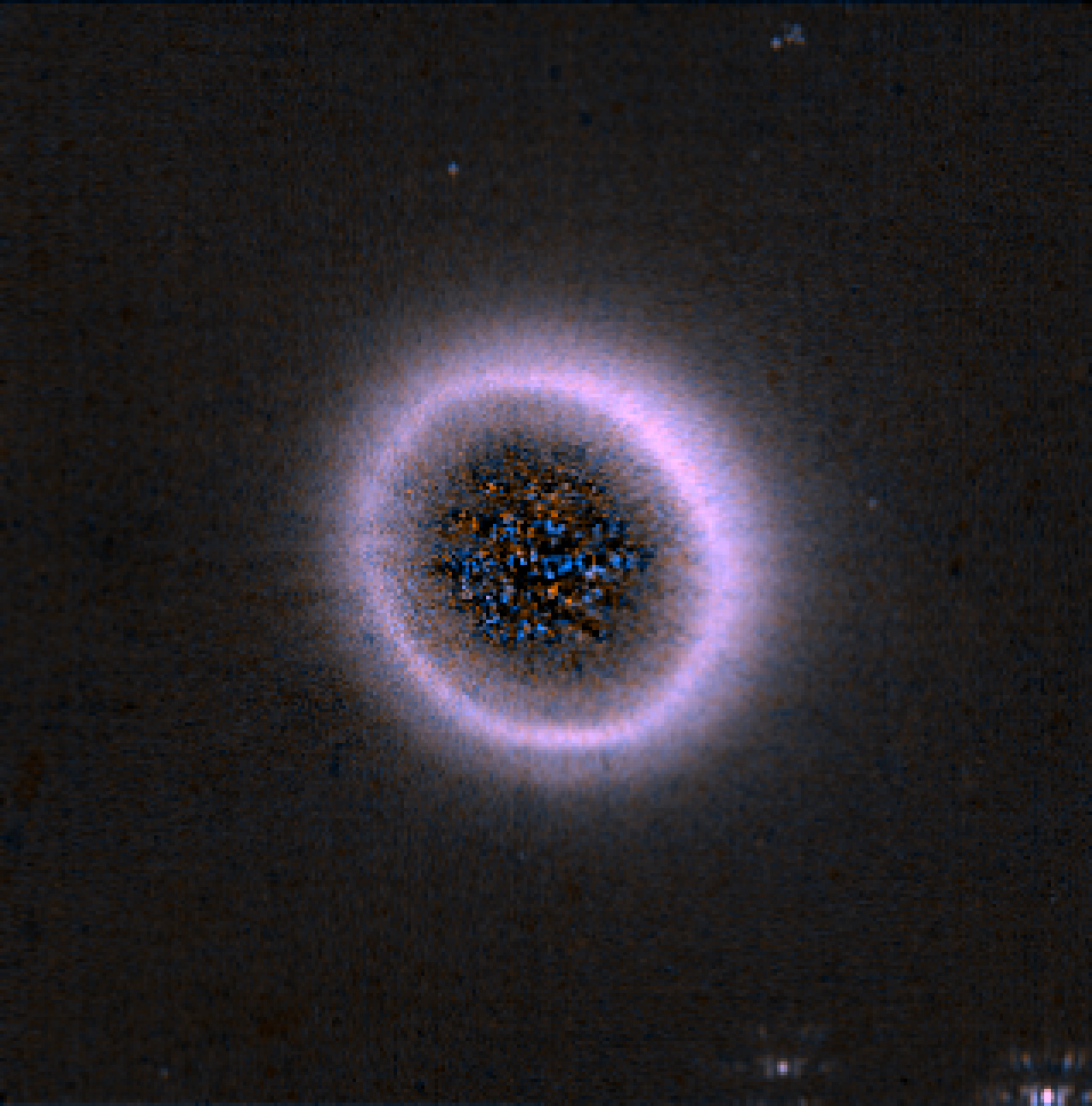
The team compiled a sample of 21 extreme debris disks using Spitzer and Webb archival data, with 5 from Spitzer and 16 from Webb. They also identified 12 newly observed disks.
Scientists theorise that a Mars-sized object called Theia struck the infant Earth about 4.5 billion years ago, creating the Earth-Moon system. Kate Su, a researcher with the Space Science Institute and the study's lead author, said, "Our work on extreme debris disks helps us bring together the big picture of what we currently understand."
Sourceuniversetoday.com